Starting an Amazon business is one of the most popular ways to build an online income, but many beginners struggle to choose the right business model. Should you sell private label products, try retail arbitrage, or start with wholesale?
If you’ve searched what is Amazon Wholesale FBA, you’re likely looking for a business model that offers lower risk, proven products, and the support of Amazon’s fulfillment network.
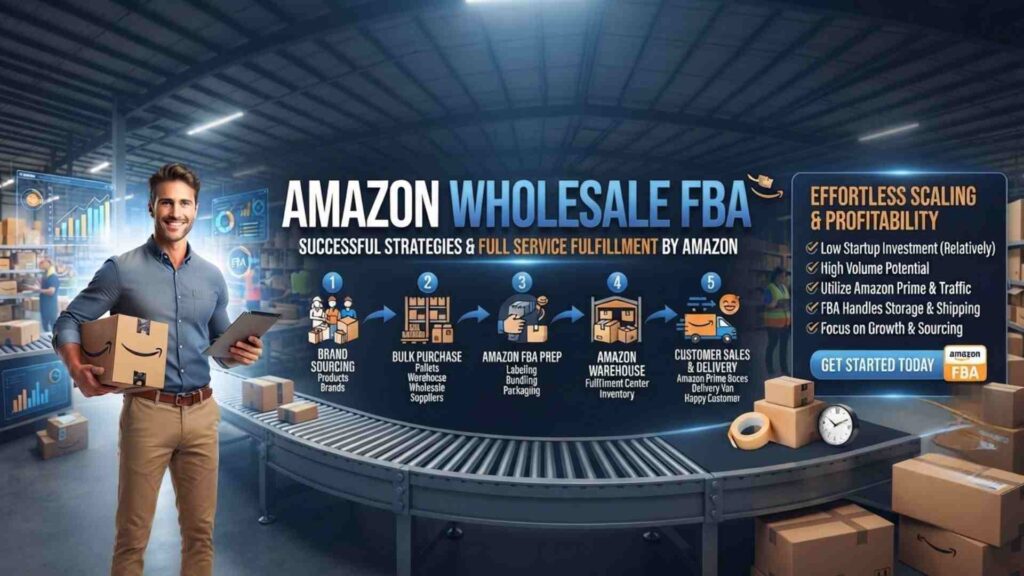
The good news is that Amazon Wholesale FBA is one of the most reliable ways to start selling online. Instead of creating your own brand from scratch, you purchase genuine products in bulk from authorized suppliers and let Amazon handle storage, packing, shipping, customer service, and returns.
In this guide, you’ll learn:
- What Amazon Wholesale FBA is
- How Amazon FBA works
- Benefits of Amazon Wholesale FBA
- Required certifications and documents
- How to open an Amazon FBA account
- Amazon FBA setup service options
- Step-by-step process to start selling
- How to find wholesale suppliers for Amazon FBA
- Common mistakes beginners should avoid
Whether you’re starting your first eCommerce business or expanding an existing one, this guide will help you understand everything you need to launch successfully.
Want to start selling through Amazon Wholesale FBM? Read our complete guide on How to Start Amazon Wholesale FBM for step-by-step instructions.
What Is Amazon FBA?
Before learning about wholesale, it’s important to understand What Is Amazon FBA?
Amazon FBA stands for Fulfillment by Amazon. It is a logistics service that allows sellers to store inventory in Amazon’s fulfillment centers. Once a customer places an order, Amazon takes care of the entire fulfillment process.
This includes:
- Storing products
- Picking and packing orders
- Shipping to customers
- Handling returns
- Managing customer support
Instead of renting your own warehouse or shipping every order yourself, Amazon manages these operations while you focus on sourcing products and growing your business. Because of this convenience, millions of sellers worldwide use Amazon FBA to scale their businesses efficiently.
Amazon Wholesale FBA operates within the larger Amazon Marketplace ecosystem. If you’re new to selling on Amazon, our What Is Amazon Marketplace? guide explains how the marketplace works, including selling models, fees, and fulfillment options.
What Is Amazon Wholesale FBA?
Amazon Wholesale FBA is a business model where sellers purchase authentic branded products in bulk directly from manufacturers, distributors, or authorized wholesalers and then sell those products on Amazon using the Fulfillment by Amazon (FBA) program. Unlike Private Label, you don’t create your own product or brand.
Instead, you sell products that already have:
- Brand recognition
- Customer reviews
- Existing Amazon listings
- Proven demand
For example, imagine a well-known kitchen appliance brand already sells thousands of units every month on Amazon. Instead of developing your own kitchen appliance, you purchase inventory from an authorized distributor at wholesale prices and list it under the existing Amazon listing.
When customers place orders, Amazon ships the products directly from its warehouses.
This business model allows sellers to leverage existing demand while avoiding many of the challenges involved in launching a completely new product.
Difference Between Amazon Wholesale FBA and Amazon Wholesale FBM
Both Amazon Wholesale FBA and Amazon Wholesale FBM involve purchasing branded products from authorized suppliers and selling them on Amazon. The main difference is who fulfills customer orders.
| Feature | Amazon Wholesale FBA | Amazon Wholesale FBM |
|---|---|---|
| Inventory Storage | Amazon warehouses | Seller’s warehouse |
| Order Packing | Amazon | Seller |
| Shipping | Amazon | Seller |
| Customer Service | Amazon | Seller |
| Returns Management | Amazon | Seller |
| Prime Eligibility | Yes (typically) | Limited, unless enrolled in Seller Fulfilled Prime |
| Daily Workload | Lower | Higher |
| Best For | Sellers who want automation and scalability | Sellers who want complete control over operations |
Which Option Is Better?
If your goal is to automate order fulfillment and scale your business efficiently, Amazon Wholesale FBA is often the better choice. However, if you already have your own warehouse, shipping system, and fulfillment team, Amazon Wholesale FBM can provide greater control over inventory and logistics.
Ultimately, the right option depends on your budget, operational capabilities, and long-term business goals.
Not sure which fulfillment model is right for you? Compare the pros, cons, and key differences in our Amazon FBA vs FBM guide before making your decision.
How Amazon Wholesale Works
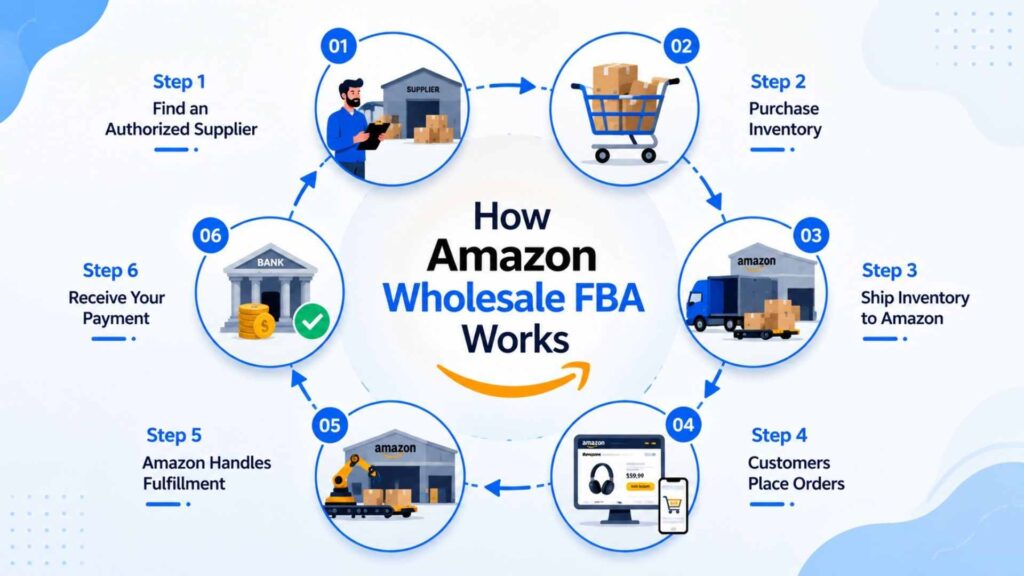
The wholesale process is straightforward once you understand each stage.
Step 1: Find an Authorized Supplier
Locate a manufacturer or distributor that supplies genuine branded products.
Step 2: Purchase Inventory
Buy products in bulk at wholesale pricing.
Step 3: Ship Inventory to Amazon
Send your inventory to Amazon’s fulfillment centers following Amazon’s packaging guidelines.
Step 4: Customers Place Orders
Your products appear on Amazon alongside other sellers offering the same branded item.
Step 5: Amazon Handles Fulfillment
Amazon stores, packs, ships, and delivers every order.
Step 6: Receive Your Payment
Amazon deposits your earnings after deducting selling and fulfillment fees. Your primary responsibilities are sourcing profitable products, maintaining inventory, monitoring pricing, and growing supplier relationships.
Benefits of Amazon Wholesale FBA
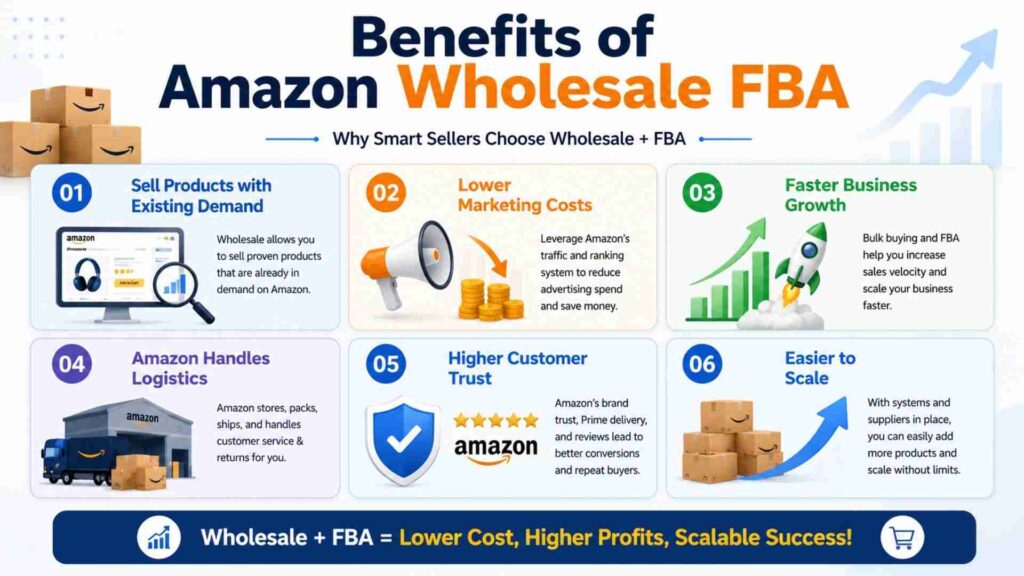
One reason Amazon Wholesale FBA continues to grow in popularity is that it combines established products with Amazon’s world-class logistics network.
Here are some of the biggest benefits of Amazon Wholesale FBA.
1. Sell Products with Existing Demand
Unlike launching a new brand, wholesale products already have sales history, customer reviews, and market demand. This significantly reduces the time required to generate sales.
2. Lower Marketing Costs
Customers already recognize trusted brands. You don’t need to spend heavily on building brand awareness from scratch.
3. Faster Business Growth
Once you establish relationships with reliable suppliers, you can easily expand your product catalog. Many successful sellers scale simply by adding additional wholesale products.Rather than relying on a single product, successful Amazon wholesale sellers typically grow their business by gradually expanding their catalog with carefully selected, high-demand products from trusted suppliers.
4. Amazon Handles Logistics
One of the biggest reasons businesses choose Amazon FBA is that it eliminates much of the day-to-day logistics, allowing sellers to spend more time sourcing products, improving listings, and growing their business.
Amazon manages:
- Warehousing
- Packing
- Shipping
- Returns
- Customer service
This allows sellers to focus on business growth rather than day-to-day operations.
5. Higher Customer Trust
Products fulfilled by Amazon often qualify for Prime shipping, increasing customer confidence and improving conversion rates.
6. Easier to Scale
Instead of hiring warehouse staff or leasing storage space, Amazon’s fulfillment network supports your growth as your business expands.
Certifications and Seller Account Requirements
Before purchasing wholesale inventory, most suppliers require you to operate as a legitimate business.
Here are the documents you’ll typically need.
1. Business License
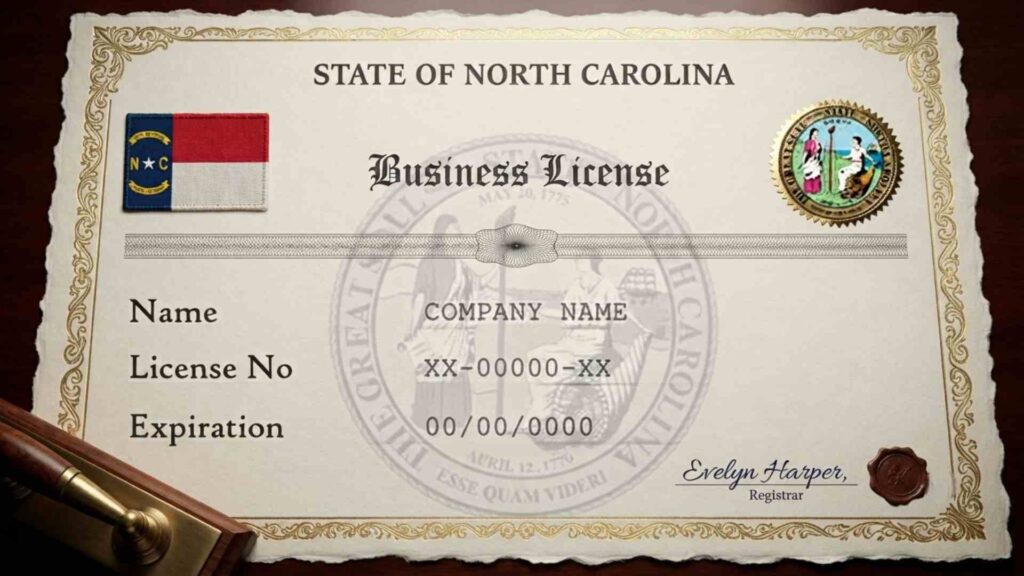
A business license verifies that you’re legally operating your business.
Depending on your country, you may register as:
- Sole Proprietorship
- LLC
- Corporation
- Partnership
Many wholesale suppliers won’t approve accounts without business registration.
2. EIN (Employer Identification Number)
If you’re operating as a registered business, you’ll usually need an EIN for tax reporting. Many distributors request this during the account application process.
3. Resale Certificate (Sales Tax Permit)
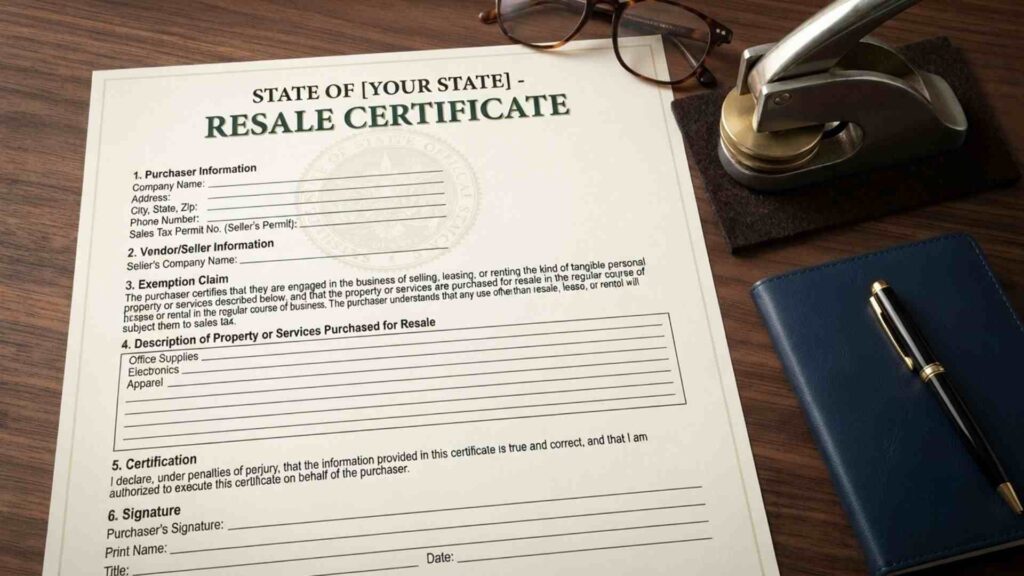
A resale certificate allows eligible businesses to purchase inventory without paying sales tax at the time of purchase, depending on local regulations. This document is commonly required by wholesale suppliers.
4. Amazon Professional Seller Account
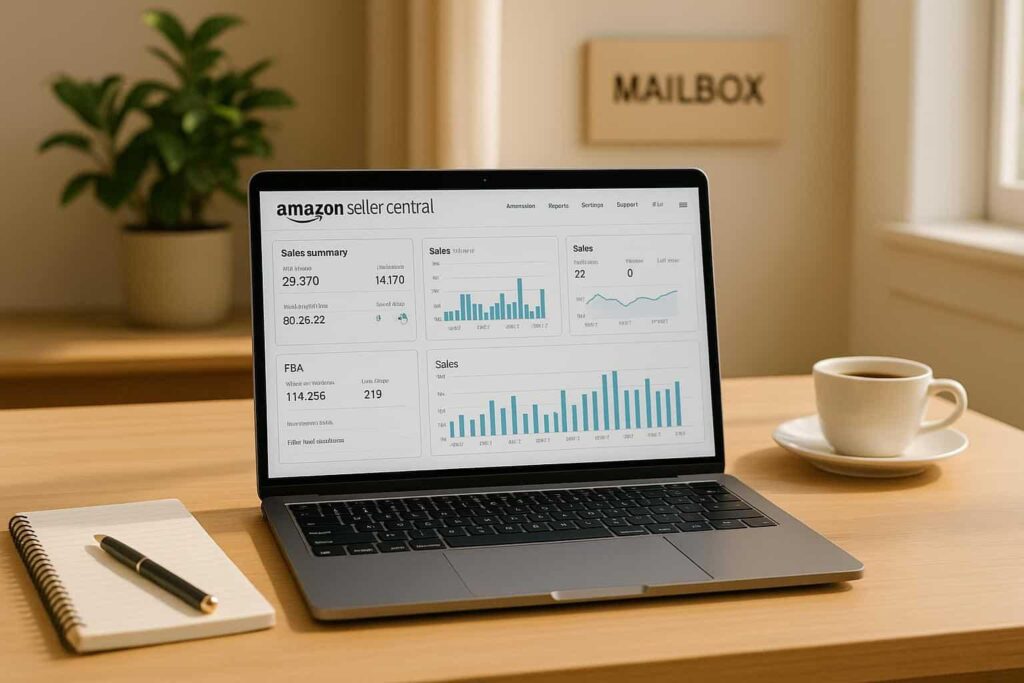
Although Amazon offers an Individual Seller Plan, most wholesale businesses choose the Professional Seller Account because it provides access to:
- Bulk listing tools
- Advanced reports
- Amazon Advertising
- Inventory management features
- Brand approvals
It’s the preferred option for sellers planning to grow their business.
5. Brand or Supplier Approval Documents
Certain brands require additional approval before allowing sellers to offer their products.
Examples include:
- Wholesale agreements
- Purchase invoices
- Authorization letters
- Distribution contracts
Always keep invoices organized, as Amazon may request proof of product authenticity.
How to Open an Amazon FBA Account
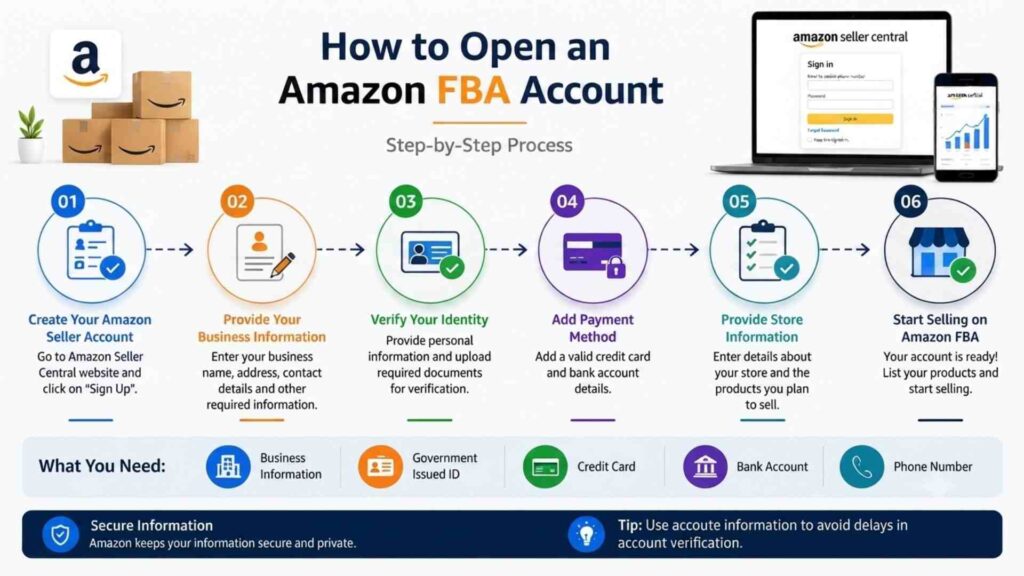
Many beginners ask how to open an Amazon FBA account. Fortunately, the process is relatively simple if you prepare your documents beforehand.
Step 1: Visit Amazon Seller Central
Create a Professional Seller account using your business email address.
Step 2: Enter Business Information
Provide:
- Business name
- Business address
- Contact information
Step 3: Verify Your Identity
Amazon will ask for identity verification documents such as a government-issued ID and proof of address.
Step 4: Add Tax Information
Complete your tax interview and submit any required business information.
Step 5: Link Your Bank Account
To receive payments for your sales, connect an active bank account where Amazon can securely deposit your earnings based on its payout schedule.
Step 6: Activate Fulfillment by Amazon (FBA)
Once your seller account is approved, enable the FBA option in Seller Central and create your first shipment. After your inventory reaches Amazon’s fulfillment centers, you’re ready to start selling.
Before you can start selling through FBA, you’ll need access to Amazon Seller Central, where you manage your products, inventory, orders, and account settings. Read our What Is Amazon Seller Central? The Complete Beginner’s Guide to learn how the platform works.
Should You Use an Amazon FBA Setup Service?
Opening a seller account is straightforward, but mistakes during setup can delay approval or create compliance issues later.
An Amazon FBA setup service can help new sellers by handling:
- Seller account registration
- Business verification
- Tax setup
- Product category approvals
- FBA configuration
- Initial inventory settings
- Shipping plan creation
While it’s possible to complete the setup yourself, many businesses choose professional assistance to save time and avoid costly errors.
How Much Does Amazon Wholesale FBA Cost?
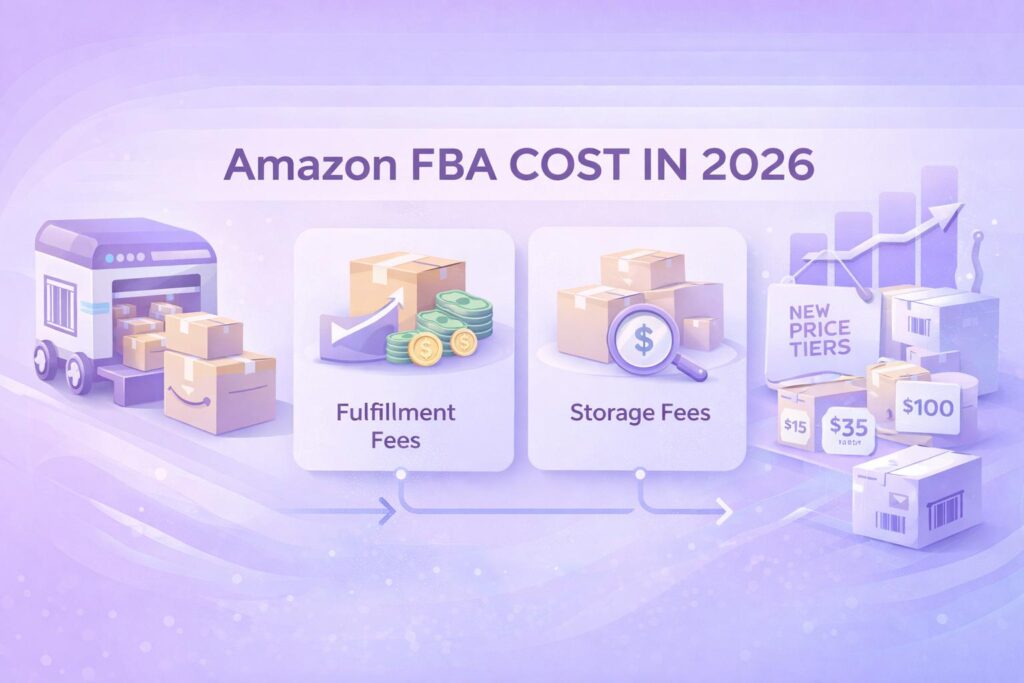
Starting an Amazon Wholesale FBA business requires more than just creating a seller account. Your total investment depends on factors such as inventory, supplier requirements, and Amazon’s selling fees. While there’s no fixed startup cost, understanding the main expenses will help you plan your budget more effectively.
Key Costs to Consider
- Amazon Professional Seller Account: A monthly subscription fee for accessing advanced selling tools.
- Wholesale Inventory: Your biggest investment, which varies based on the products you purchase and your supplier’s minimum order quantity (MOQ).
- Amazon FBA Fulfillment Fees: Charged for storing, packing, shipping, and handling customer orders.
- Referral Fees: Amazon deducts a percentage of each sale, which varies by product category.
- Shipping Costs: The cost of sending inventory from your supplier or warehouse to Amazon’s fulfillment centers.
- Product Preparation & Labeling: Some products may require labeling, packaging, or prep services before they can be sent to FBA.
- Advertising (Optional): Running Amazon PPC campaigns can help increase product visibility and sales.
Estimated Startup Budget
For most beginners, an Amazon Wholesale FBA business typically requires an initial investment of $1,000 to $5,000. Your actual budget will depend on your product category, supplier pricing, inventory quantity, and overall business goals.
Pro Tip: Before purchasing inventory, calculate all expected expenses—including product cost, shipping, FBA fees, referral fees, and advertising—to ensure each product offers a healthy profit margin.
Step-by-Step Guide to Starting an Amazon FBA Business
Once your seller account is ready and your business documents are in place, it’s time to launch your Amazon Wholesale FBA business. Following a structured process helps you avoid costly mistakes and build a sustainable business from the beginning.
Step 1: Choose a Profitable Product Category
Start by selecting a niche you’re comfortable researching. Consider factors such as:
- Consistent customer demand
- Reasonable competition
- Healthy profit margins
- Low return rates
- Products that are not overly seasonal
Tools like Amazon Best Sellers, Keepa, and product research software can help you evaluate product performance before investing.
Step 2: Research Products Carefully
Don’t purchase inventory based solely on popularity. Analyze important metrics such as:
- Monthly sales volume
- Best Sellers Rank (BSR)
- Number of competing sellers
- Buy Box competition
- Estimated Amazon fees
- Net profit margin
A product that sells well isn’t always profitable after accounting for all costs.
Step 3: Contact Wholesale Suppliers
Reach out to manufacturers, distributors, or authorized wholesalers to request a wholesale account.
Be prepared to provide:
- Business license
- EIN (if applicable)
- Resale certificate
- Business information
- Amazon seller details
Building professional relationships with suppliers often leads to better pricing and long-term opportunities.
Step 4: Purchase Inventory
For your first order, avoid buying excessive quantities.
Instead:
- Test demand with a smaller order.
- Monitor sales performance.
- Reinvest profits into larger inventory purchases.
Starting small minimizes financial risk while helping you understand customer demand.
Step 5: Prepare Inventory for FBA
Amazon requires products to meet specific packaging and labeling standards.
Before shipping, ensure that:
- Products are properly labeled.
- Packaging meets Amazon requirements.
- Cartons follow Amazon shipment guidelines.
Following Amazon’s packaging and labeling guidelines helps ensure your inventory is received quickly while reducing the chances of unexpected fees or shipment delays
Step 6: Create or Optimize Product Listings
Wholesale products usually already have existing listings, but your offer still needs to stand out.
Focus on:
- Accurate product information
- Competitive pricing
- High-quality images (where permitted)
- Proper inventory management
Professional Amazon product listing optimization services can further improve listing quality by refining keywords, backend search terms, descriptions, and conversion-focused content. Even small optimizations can increase visibility and sales over time.
Step 7: Monitor Performance and Scale
After your products go live:
- Track inventory levels.
- Monitor pricing.
- Review profit margins.
- Watch customer feedback.
- Reorder fast-selling products before they run out of stock.
Successful wholesale sellers consistently analyze data and expand their catalog based on proven performance.
Steps to Amazon Wholesale
If you want a quick overview, here’s the complete Amazon Wholesale FBA step-by-step guide:
- Register your business.
- Obtain required business documents.
- Open an Amazon Professional Seller Account.
- Research profitable products.
- Find authorized wholesale suppliers.
- Purchase inventory.
- Ship products to Amazon FBA.
- Optimize product listings.
- Monitor sales and inventory.
- Scale your business by adding more products.
Following these steps provides a solid foundation for long-term success.
If you’re looking for a broader walkthrough of the entire selling process, explore our How to Sell on Amazon Step-by-Step Guide for practical tips from account setup to your first sale.
How to Find a Wholesale Supplier for Amazon

Your suppliers play a major role in your success. Reliable suppliers provide authentic products, consistent inventory, and competitive pricing.
Here are some effective ways to find them.
Contact Manufacturers Directly
Many brands work with authorized distributors and are willing to share distributor information if you contact them directly.
Attend Trade Shows
Attending industry trade shows gives you the chance to meet manufacturers and wholesale distributors in person, evaluate product quality, build trusted business relationships, and negotiate better pricing before placing bulk orders.
Use Wholesale Directories
Verified wholesale directories can help identify legitimate suppliers across various product categories.
Search Brand Websites
Many manufacturers list their authorized distributors on their official websites.
Build Long-Term Relationships
The best wholesale businesses are built on trust. Strong supplier relationships often result in:
- Better pricing
- Priority inventory access
- Faster shipping
- Exclusive opportunities
How to Find Wholesale Suppliers for Amazon FBA
When evaluating suppliers, don’t focus only on price.
Choose suppliers that offer:
- Authentic branded products
- Proper invoices
- Stable inventory availability
- Competitive wholesale pricing
- Fast replenishment
- Responsive customer support
Before placing a large order, request samples or begin with a smaller purchase to verify product quality and supplier reliability.
Avoid suppliers who cannot provide documentation proving product authenticity, as this may create account health issues with Amazon.
Should You Use Amazon FBA Consulting Services?
Starting an Amazon business involves many moving parts. If you’re unsure about product research, supplier sourcing, or account setup, professional guidance can save time and reduce costly mistakes.
Amazon FBA consulting services typically help with:
- Product research
- Wholesale sourcing
- Business strategy
- Account setup
- Inventory planning
- Pricing strategy
- Amazon compliance
- Growth planning
Consultants don’t guarantee success, but experienced guidance can shorten the learning curve and help you avoid common beginner errors.
Want expert guidance on sourcing products and managing inventory? Explore our Amazon Wholesale FBA service to learn how we help businesses build profitable wholesale operations.
When Should You Consider an Amazon FBA Management Service?
As your business grows, managing every aspect of your Amazon account becomes more challenging. An Amazon FBA management service can help by handling day-to-day operations, allowing you to focus on scaling your business.
These services often include:
- Inventory management
- Product listing optimization
- PPC campaign management
- Account health monitoring
- Performance reporting
- Customer service support
- Buy Box monitoring
- Repricing strategies
For businesses managing multiple products or expanding into new categories, professional account management can improve efficiency and reduce operational workload.
Top Mistakes to Avoid When Starting an Amazon FBA Business
Many new sellers make mistakes that can delay growth or reduce profitability. Avoid these common pitfalls.
Buying Too Much Inventory
Don’t invest heavily before validating product demand. Start with manageable inventory levels and increase orders based on actual sales.
Choosing Unverified Suppliers
Always verify that suppliers are authorized and can provide authentic products along with proper invoices.
Ignoring Profit Calculations
Calculate all expenses before purchasing inventory, including:
- Wholesale cost
- Amazon referral fees
- FBA fulfillment fees
- Shipping
- Storage fees
- Advertising costs
- Returns
A product with high sales volume isn’t necessarily profitable.
Neglecting Inventory Management
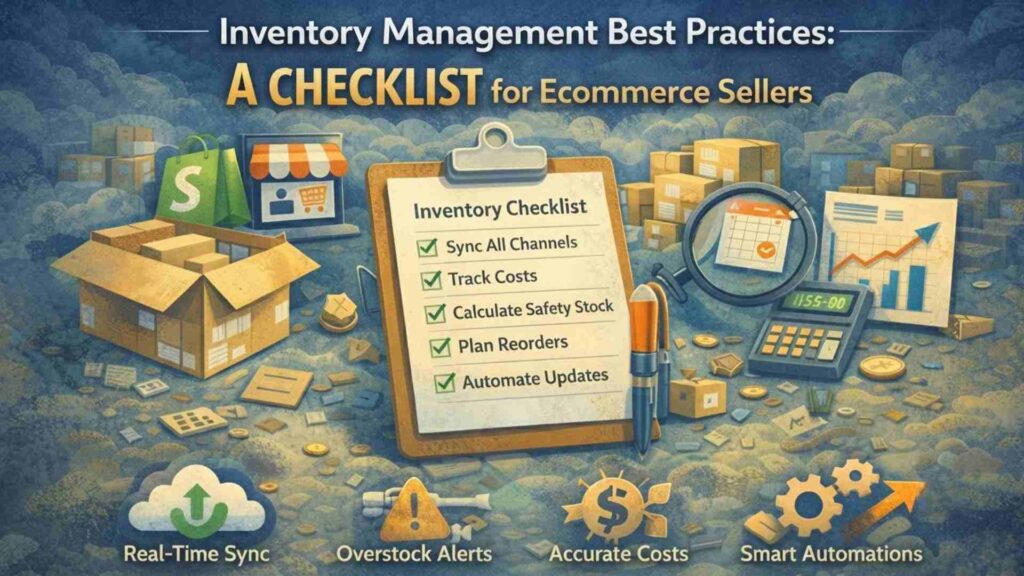
Running out of stock can affect sales momentum, while overstocking increases storage fees. Monitor inventory regularly and reorder based on demand forecasts.
Failing to Monitor Account Health
Late shipments, policy violations, or customer complaints can impact your seller account. Review your account health dashboard regularly and address issues promptly.
Wholesale sellers can also benefit from paid advertising, so it’s worth understanding how Amazon PPC works before launching campaigns.
Frequently Asked Questions
Is Amazon Wholesale FBA good for beginners?
Yes. Amazon Wholesale FBA is often considered beginner-friendly because you sell established products with existing customer demand rather than launching a new brand from scratch.
How much money do I need to start Amazon Wholesale FBA?
Your startup budget will vary based on your product selection, supplier requirements, and business goals. Many sellers begin with a modest inventory investment and scale gradually using profits.
Do I need a business license to sell wholesale on Amazon?
In many cases, yes. Most wholesalers require proof that you’re operating as a legitimate business before approving a wholesale account.
Can I sell branded products on Amazon?
Yes, provided you source them from authorized distributors or manufacturers and comply with Amazon’s policies. Some brands may require additional approval before you can list their products.
Is Amazon Wholesale better than Private Label?
Both models have advantages. Wholesale offers established demand and lower branding effort, while Private Label provides greater control over branding and potentially higher profit margins. The right choice comes down to your budget, skill level, and future business plans.